Why modern couples are choosing experiences over tradition
Weddings are no longer defined by tradition alone.
Something quieter, but far more intentional, is beginning to shape the way people celebrate. Across the world, couples are moving away from structured formats and predictable timelines, choosing instead to create experiences that feel personal, intuitive and deeply connected to who they are.
This shift sits at the heart of the 2026 wedding trends. Insights emerging from platforms like Pinterest reveal a clear pattern: couples are not just planning weddings, they are rethinking them from the ground up.
It’s not about reinventing weddings entirely, but about reimagining what they are meant to feel like. And once you begin to see the difference, it becomes difficult to approach a wedding in any other way.
As you read on, you’ll start to recognise how these shifts are not just defined by this year’s 2026 wedding trends trends, but signals of a broader change, one that is redefining how a wedding is imagined, planned and ultimately experienced.
Weddings Are Becoming Experiences, Not Events
There was a time when a wedding followed a familiar rhythm. Ceremony, reception, dinner, dancing. Today, that structure feels less relevant.
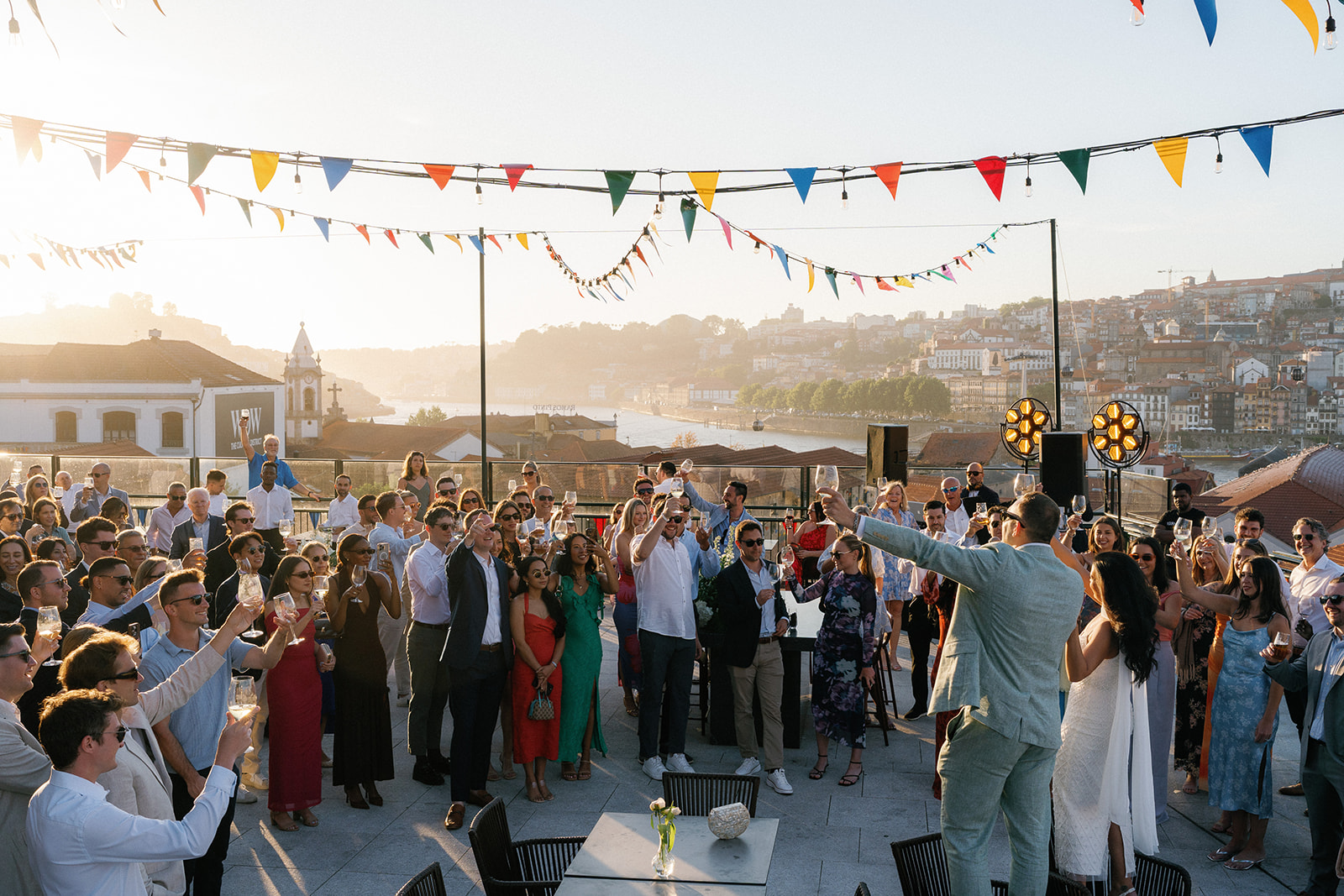
Couples are no longer planning a single event. They are creating a sequence of experiences that unfold over time. A welcome dinner that feels like a gathering rather than an obligation or a calm day after that lingers instead of ending abruptly.
This is particularly evident in destination wedding trends, where time and place naturally extend the celebration.
The focus shifts from what happens to how it feels to be there. And that changes everything.
The Rise of Immersive Wedding Experiences
Design is becoming more atmospheric. Not louder, not more elaborate, but more intentional.
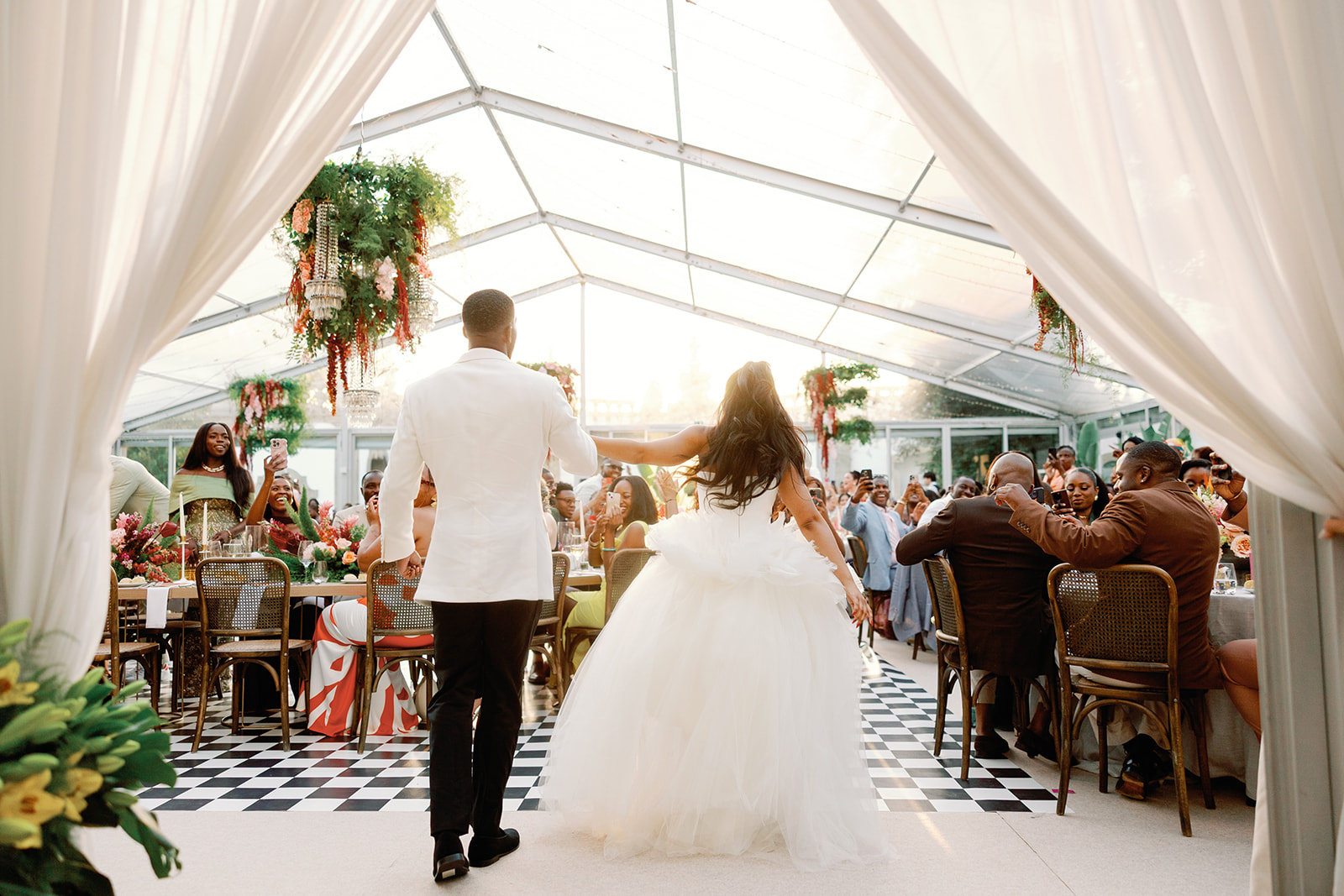
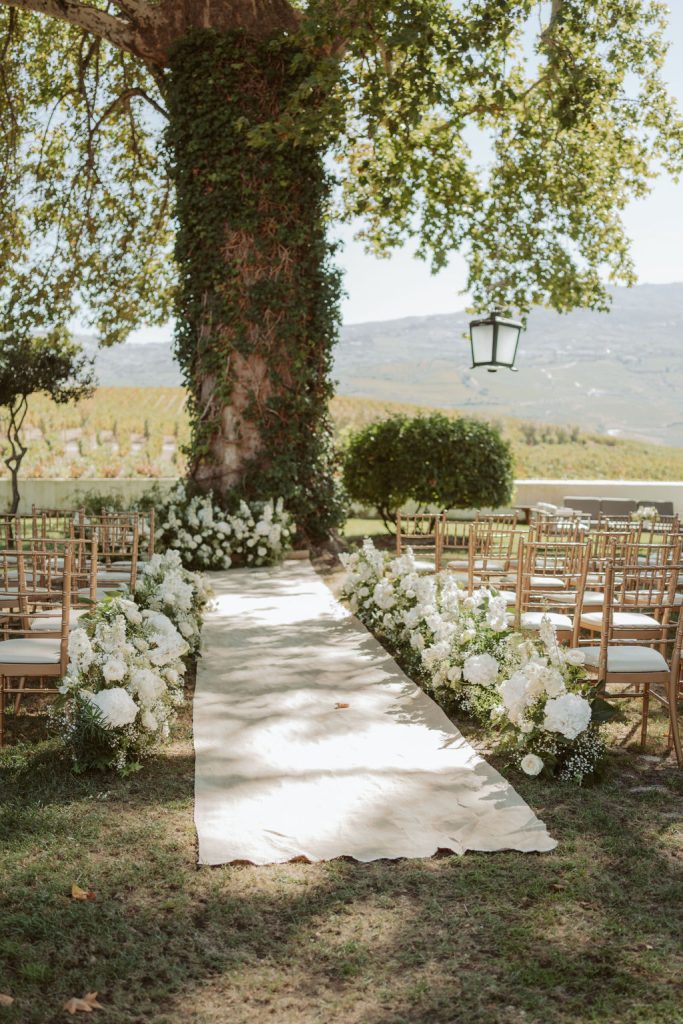
Immersive wedding experiences are built through subtle layers. Light that evolves throughout the day, textures that invite interaction, spaces that feel cohesive rather than simply decorated.
Guests are not just observing a setting. They are moving through it.
This approach to immersive wedding design creates something difficult to replicate. A sense of presence.
Moments that are not staged, but genuinely lived.
Unexpected Wedding Venues Are Redefining the Scene
The idea of a wedding venue is expanding.
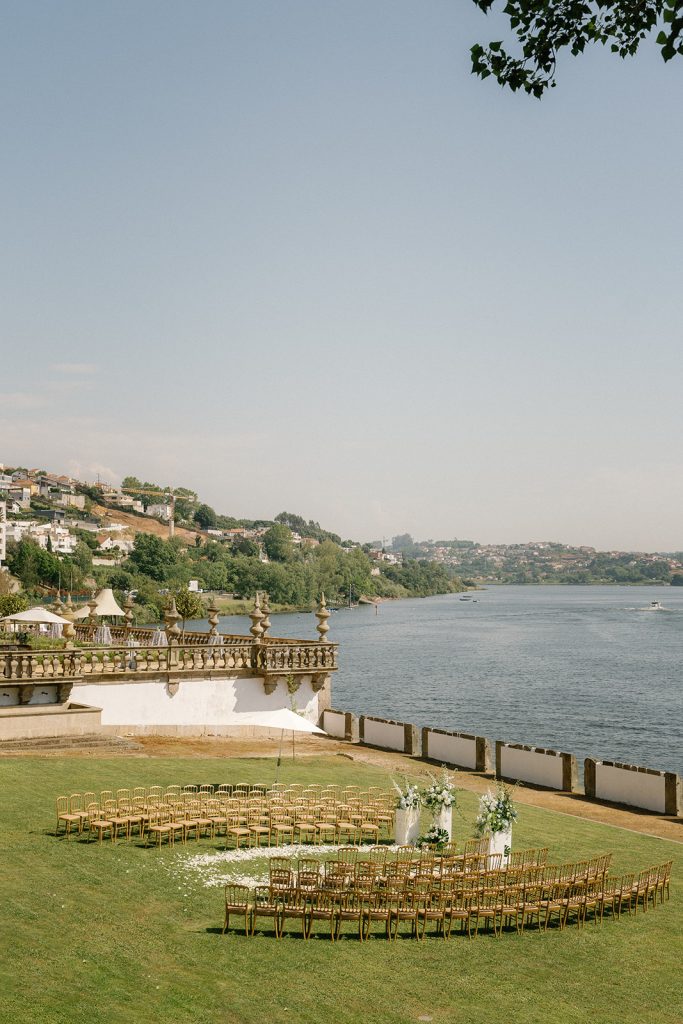
Ballrooms and traditional settings are gradually giving space to locations with stronger identity. Places that already carry atmosphere before anything is added.
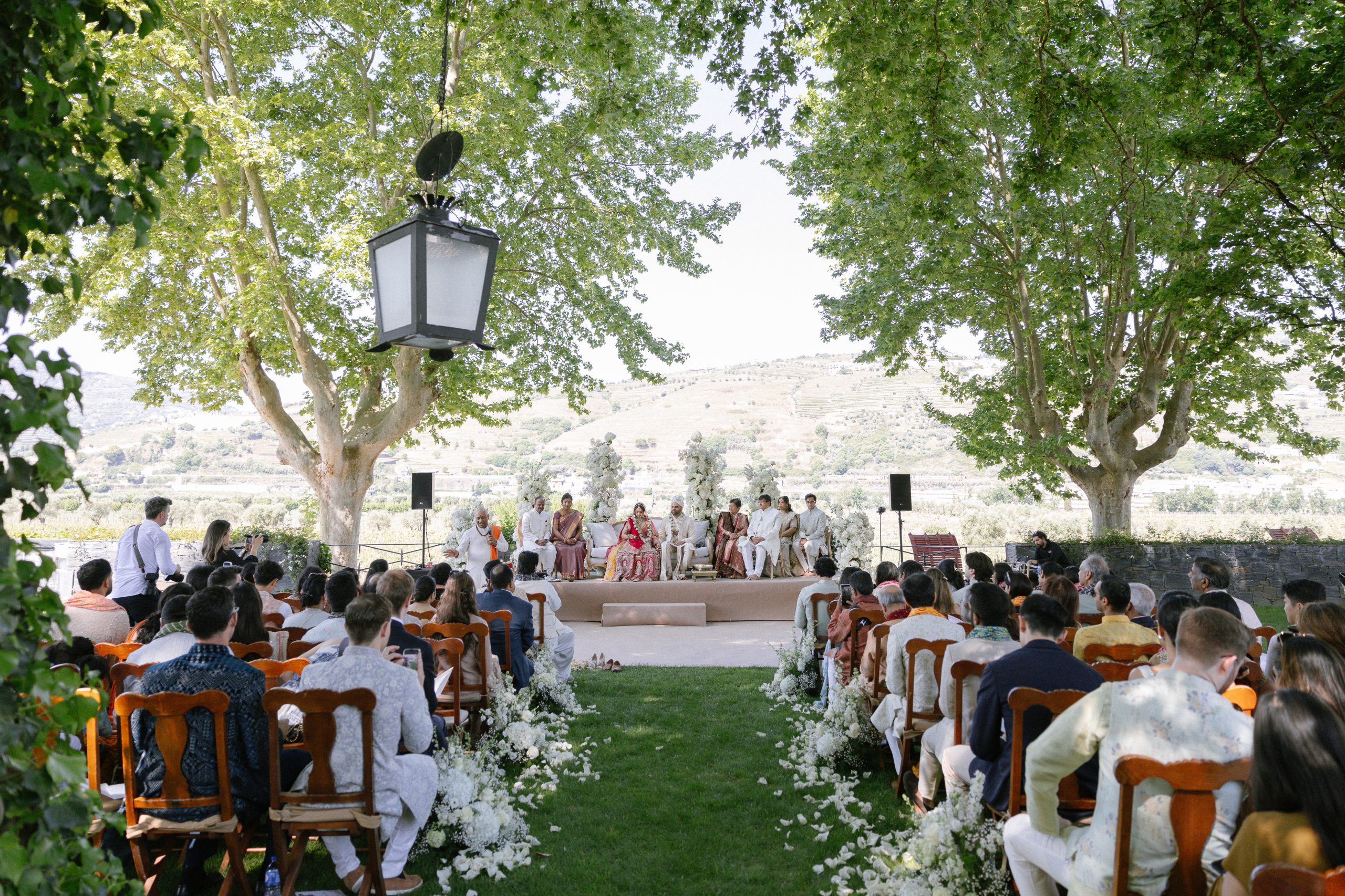
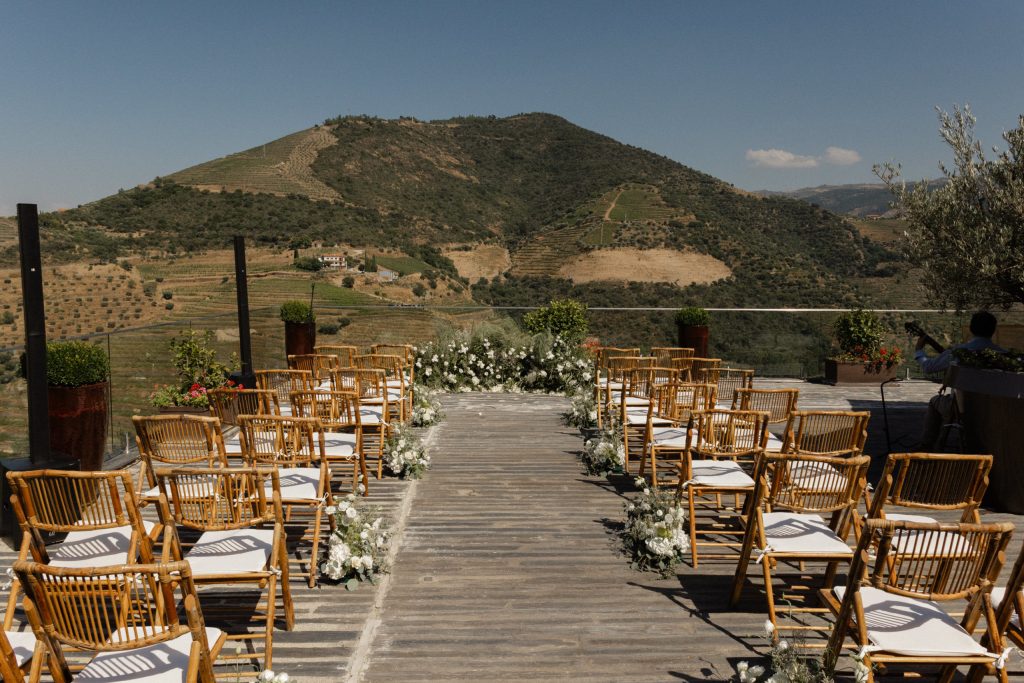
A private estate with history, a coastal setting shaped by light, a space that feels cinematic without trying too hard. These wedding venues in 2026 are being chosen not only for how they look, but for how they shape the experience as a whole.
They influence pacing, mood and even the way people interact. The setting becomes part of the narrative.
A More Personal Approach Before the Wedding
The shift begins well before the wedding day itself.
Pre-wedding moments are becoming more relaxed and more real. Engagement shoots that feel like everyday life, gatherings that resemble time spent together rather than planned events.
This reflects a broader movement within wedding planning trends. Less performance, more authenticity.
Couples are choosing familiarity over formality, and in doing so, they create a stronger connection, not only with each other, but with the people who will be part of the celebration.
Styling, Texture and Sensory Details
Visual aesthetics are no longer enough on their own.
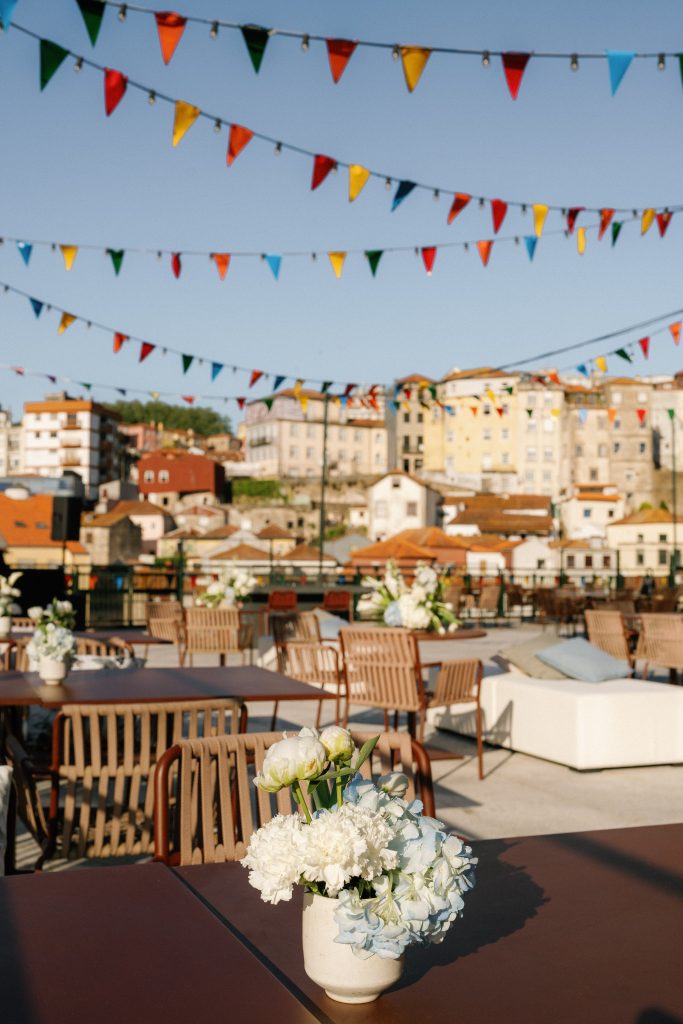
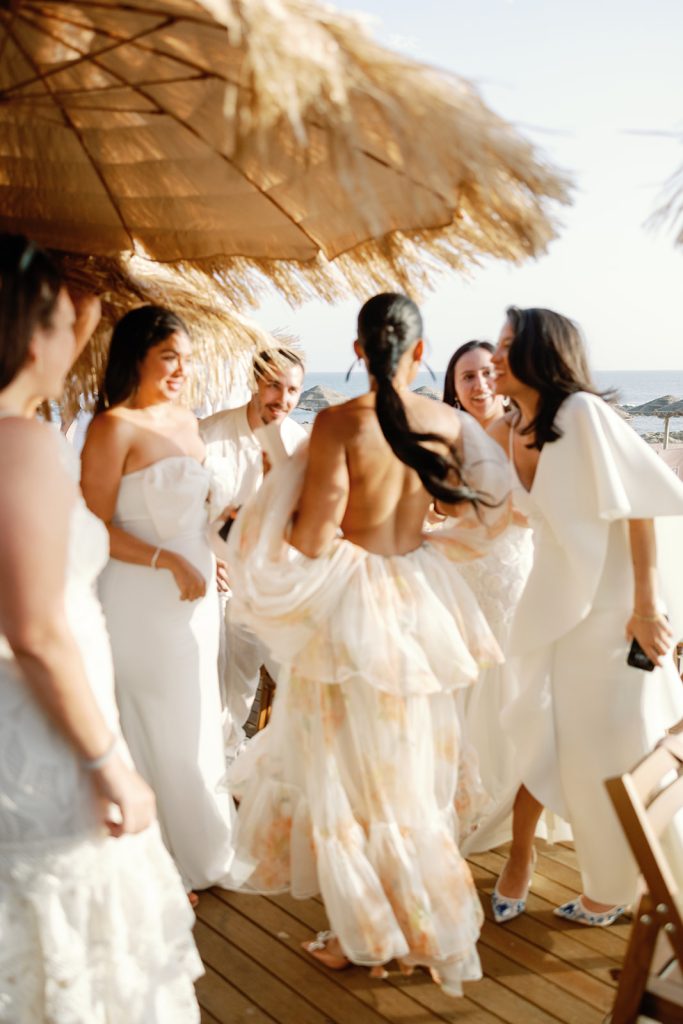
Styling in 2026 moves into something more tactile and layered. Fabrics with depth, materials that respond to light, details that carry scent, texture and even flavour.
This is where sensory wedding styling becomes essential.
A table is not just seen, it is experienced. A space is not just designed, it is felt.
These elements may seem subtle at first, but they are often what stays with people long after the day itself has passed.
How to Translate Trends Into Something Personal
Trends, by nature, are collective but a wedding should never feel that way. What matters is not the trend itself, but how it is interpreted.
This is where experience becomes essential. Not in following what is current, but in understanding what is relevant for each couple and how it translates into something meaningful.
At Mary Me, trends are approached as a reference point rather than a direction. The process begins with understanding what matters, what feels natural and specially what kind of experience truly reflects the couple.
From there, each element is shaped into something cohesive. A destination wedding in Portugal that feels connected to the place, the people and the intention behind it.
No templates. No repetition. Only a considered and thoughtful interpretation.
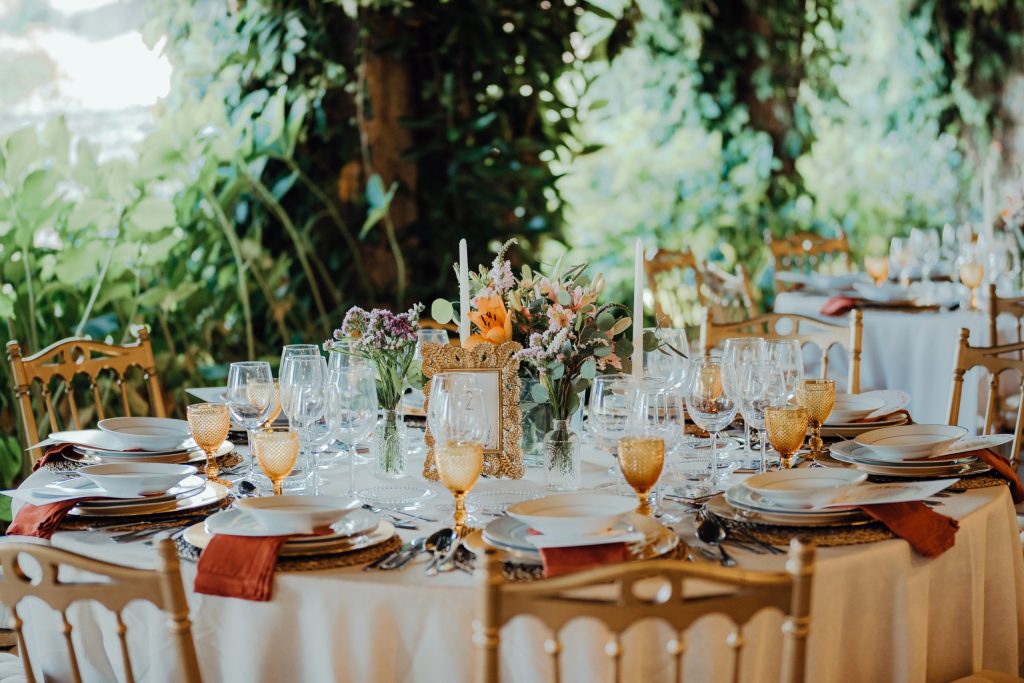
Weddings are moving away from fixed formats and towards something more fluid, more intentional and more connected to real life. What matters is no longer how closely a wedding follows tradition, but how naturally it reflects the people behind it.
If you are considering a destination wedding and want to explore how these ideas can translate into something truly personal, the right guidance can make that process not only clearer, but far more meaningful.
Because in the end, a wedding is not remembered for how it looked, but for how it was experienced and felt.